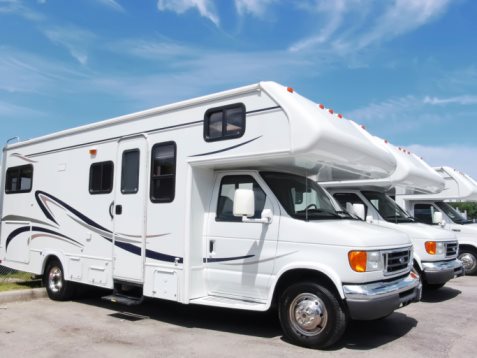
Should You Buy a New or Used Mobile Home?
📅 2026 Update: Changes in Mobile Home Transactions
Since the original article was published, not much specific information has emerged about mobile home transactions from official sources. While the landscape of real estate continues to evolve, key details regarding fees and regulations for mobile homes remain scarce. The earlier article continues further down to provide foundational insights.
🚪 1. Limited Official Updates
There have been no substantial changes or new regulations reported by official sources regarding mobile home transactions from 2024 to 2026. This means that buyers and sellers still rely heavily on existing regulations and practices.
📚 2. Government Resources
The U.S. Department of Housing and Urban Development (HUD) remains a significant resource for consumers. HUD provides guidelines for buying and selling mobile homes, financing details, and essential consumer protection information.
- 🛠️ Resource Access: HUD offers tools to navigate mobile home purchases and sales.
- 💼 Consumer Protection: Information on rights and responsibilities is readily available through HUD’s website.
🏢 3. State Housing Agencies
Each state has its own housing agency that provides tailored information on mobile home regulations. These agencies can help with understanding local fees and assistance programs.
- 🏠 Local Insights: State agencies have specific guidelines for mobile home transactions.
- 📄 Assistance Programs: Many states offer programs to help buyers and owners manage costs.
💰 4. Financing Options
The Consumer Financial Protection Bureau (CFPB) offers guidance on financing mobile homes. Understanding costs and options is crucial for potential buyers.
- 🔍 Cost Awareness: CFPB helps consumers recognize all costs involved in mobile home financing.
- 📈 Financing Guidance: Resources are available to help buyers choose suitable financing methods.
🛡️ 5. Legal Assistance
Local legal aid organizations continue to provide free or low-cost help for housing issues, including mobile home transactions. These groups can be vital for those who face challenges in buying or selling a mobile home.
- 🤝 Support Services: Legal aid can help with contracts and resolving disputes.
- 🆓 Free Resources: Many organizations offer services without charge, making them accessible to various income levels.
📌 Key Takeaways
- ⚖️ No significant changes in mobile home regulations were reported from 2024 to 2026.
- 🏢 State housing agencies provide localized support and information.
- 💰 CFPB offers essential insights into financing mobile homes.
- 🛡️ Legal aid organizations assist with housing-related legal issues.
- 📚 HUD remains a critical resource for consumers seeking guidance.
💡 Tips for Mobile Home Transactions
Review your specific situation with an attorney to better understand your rights and obligations.
🛠️ 1. Know Your Rights
Understanding your rights when buying or selling a mobile home is essential. The U.S. Department of Housing and Urban Development (HUD) provides guidelines that outline consumer protections.
📄 2. Research State Regulations
Each state has different regulations regarding mobile home transactions. Check with your state housing agency to learn about any fees, taxes, or local regulations that may apply to your situation.
💲 3. Explore Financing Options
Look into various financing options available for mobile homes. The Consumer Financial Protection Bureau (CFPB) can help you understand the costs associated with each option and ensure you choose what fits your budget.
🕒 4. Timing Matters
Be aware of the timing involved in mobile home transactions. Processing times can vary, and knowing how long it may take to close a deal can help you plan accordingly.
🆓 5. Utilize Free Resources
Take advantage of free resources available through local legal aid organizations and government agencies. These resources can provide valuable support and guidance throughout the buying or selling process.
🔍 6. Stay Informed
Keep yourself updated on any changes in mobile home regulations or financing options. Regularly check the HUD website and state agency announcements for the latest information.
🏆 Free Options Ranked by User Reviews (2026)
No national paid services met the review threshold for assistance with mobile home transactions. Here are some free government and nonprofit resources that can help.
🥇 1. U.S. Department of Housing and Urban Development (HUD)
HUD provides extensive resources on manufactured housing, including buying and selling guidelines. They aim to ensure consumer protection and help individuals understand their rights when dealing with mobile homes.
- 🏠 Consumer Protection: HUD focuses on safeguarding consumer rights in housing transactions.
- 🎓 Educational Resources: The agency offers materials to educate buyers and sellers about the process.
🥈 2. State Housing Agencies
Each state has a housing agency that offers information tailored to local mobile home regulations. These agencies serve as a resource for understanding fees, taxes, and assistance programs available in that specific state.
- 📜 Local Regulations: State agencies provide details about local laws affecting mobile home transactions.
- 🤝 Assistance Programs: Many states have programs that can help with financing or other housing-related issues.
🥉 3. Consumer Financial Protection Bureau (CFPB)
The CFPB offers valuable guidance on financing options for mobile homes. This resource helps consumers navigate the costs and complexities of buying a mobile home.
- 📊 Cost Breakdown: The CFPB provides tools and information to help buyers understand the total costs involved.
- 📑 Financing Guidance: Information on various financing methods is readily available.
4️⃣ National Manufactured Home Owners Association (NMHOA)
The NMHOA works to advocate for manufactured home owners. They provide resources on rights, regulations, and best practices for mobile home ownership.
- 📚 Advocacy: The organization focuses on representing mobile home owners' interests.
- 📞 Support Services: NMHOA offers assistance with understanding regulations that affect ownership.
5️⃣ Local Legal Aid Organizations
Many local organizations offer free or low-cost legal assistance for housing issues, including mobile home transactions. They can help individuals navigate the complexities of contracts and legal disputes.
- 🤝 Legal Support: These organizations provide access to legal advice and representation.
- 🆓 Affordable Services: Many legal aid services are offered at no cost, helping those with limited resources.
🔎 What to Check Before Paying for Help
- 🏷️ Look for free or low-cost resources available in your area.
- 📜 Verify the credentials of any organization offering assistance.
- 💬 Read reviews and testimonials from previous users to gauge effectiveness.
- 🔍 Research the services provided to ensure they meet your needs.
❓ Frequently Asked Questions
🤔 What should I know before buying a mobile home?
Research local regulations and fees that may apply to mobile home transactions. Understanding your rights and obligations can help avoid potential issues.
🏡 Are there specific financing options for mobile homes?
Yes, there are specific financing options available for mobile homes. The Consumer Financial Protection Bureau (CFPB) provides guidance on these options and related costs.
📑 How can I protect myself during a mobile home purchase?
Utilize resources from HUD and local housing agencies to understand your rights. Legal aid organizations can also provide assistance to help protect your interests.
💼 What if I have legal issues related to my mobile home?
Consider reaching out to local legal aid organizations for free or low-cost assistance. They can help with disputes, contracts, and other legal matters.
📅 How long does a mobile home transaction typically take?
The processing time for mobile home transactions can vary. Be sure to check with your local housing agency for specific timelines.
🔍 Where can I find more information on mobile home regulations?
The U.S. Department of Housing and Urban Development (HUD) is a key resource for up-to-date information on mobile home regulations and consumer protections.
⚖️ Recent Court Cases Related to Mobile Homes
Recent court rulings have addressed various issues concerning mobile home transactions and ownership. These cases highlight important legal precedents that can impact buyers and sellers in this market.
- Puerto Rico court rules on landlord-tenant dispute caseTribunal De Apelaciones De Puerto Rico/Court of Appeals of Puerto Rico · June 29, 2026
- Puerto Rico court rules on property dispute appeal caseTribunal De Apelaciones De Puerto Rico/Court of Appeals of Puerto Rico · June 26, 2026
- Puerto Rico court rules on property dispute over easementTribunal De Apelaciones De Puerto Rico/Court of Appeals of Puerto Rico · June 26, 2026
- Puerto Rico court rules on witness inclusion in property caseTribunal De Apelaciones De Puerto Rico/Court of Appeals of Puerto Rico · June 26, 2026
For more recent rulings, feel free to browse more rulings on the news page.
End of October 2026 Update
Should You Buy a New or Used Mobile Home?
Mobile homes have become a popular choice for homeowners in recent years. They are affordable, customizable, and can be moved from one location to another.
However, one of the biggest decisions that potential mobile home buyers face is whether to buy a new or used mobile home. In this article, we will compare the two options and help you make an informed decision.
New vs. Used Mobile Homes
Buying a mobile home is similar to buying a traditional home. You can either buy a new home that has never been lived in or a used home that has had previous owners. There are pros and cons to both options.
New Mobile Homes
A new mobile home is a home that has never been used before. It is built to current standards and regulations, and it comes with warranties on everything from the roof to the appliances.
Pros of Buying a New Mobile Home
1. Customization: A new mobile home can be customized to your preferences. You can choose everything from the type of flooring to the color of the walls.
2. Energy Efficiency: New mobile homes are built to be energy efficient, which can save you money on your utility bills.
3. Warranties: A new mobile home comes with warranties, which means that if something goes wrong, you are covered.
4. Financing: Financing options for a new mobile home are generally better than those for a used home.
Cons of Buying a New Mobile Home
1. Price: A new mobile home is more expensive than a used home.
2. Land: Most new mobile homes are sold without land, which means that you will have to buy or rent land to put your home on.
3. Depreciation: Like cars, new mobile homes depreciate in value over time.
Used Mobile Homes
A used mobile home is a home that has had previous owners. It is already set up, and most likely comes with appliances and other amenities.
Pros of Buying a Used Mobile Home
1. Price: A used mobile home is less expensive than a new home.
2. Location: Used mobile homes are often already located on land, which can save you the hassle and expense of buying or renting land.
3. Ready to Move In: A used mobile home is already set up, which means you can move in and start living there immediately.
4. A Better Investment: Although a used mobile home depreciates, it will not depreciate as quickly as a new home.
Cons of Buying a Used Mobile Home
1. Repairs: A used mobile home may need repairs, which can be expensive.
2. Less Customization: A used mobile home will have features that were installed by previous owners. It may not be as customizable as a new home.
3. Outdated: A used mobile home may be outdated and not up to current standards and regulations.
4. Financing: Financing for a used mobile home can be more difficult to obtain than for a new home.
Considerations When Buying a Mobile Home
When deciding whether to buy a new or used mobile home, there are several factors to consider.
1. Budget: Your budget will play a significant role in your decision. If you have a limited budget, a used mobile home may be the best option for you. If you have more money to spend, a new home may be a better investment.
2. Location: If you already own land, buying a used mobile home may make more sense. If you do not own land, a new mobile home may be a better option.
3. Customization: If you want a mobile home that is customized to your taste, a new mobile home may be the better option.
4. Energy Efficiency: If energy efficiency is important to you, a new mobile home will likely be more efficient than a used home.
5. Repairs: If you are handy and enjoy fixing things, a used mobile home may be a good investment. If you would rather not deal with repairs, a new mobile home is a better option.
6. Financing: Financing options for a new mobile home may be better than those for a used home. It is essential to research financing options and compare rates before making a decision.
Conclusion
Buying a mobile home can be an excellent investment for people looking for affordable housing options. Deciding whether to buy a new or used mobile home is a personal decision that should be based on your budget, location, and customization preferences, among other things. Ultimately, the right decision is the one that fits your needs and financial situation.
Those that searching for a primary or second residence, may want to consider new mobile homes for sale.
These types of homes generally have lower taxes and may be moved, although it is not always simple to move a mobile home.
In fact, moving a mobile home would be subject to the laws where it is purchased, as well as where it will be placed. Whereas, used motor homes for sale are not subject to as many rules, as they are not considered a residence and are instead utilized for recreation.
New mobile homes for sale may include taxation on the purchase and on the land where the home will be placed. However, many people that keep their mobile home in vacation communities, find that they can only rent the property on which they place the home. In that case, the owner of the property would be responsible for taxation on the property.
Used motor homes for sale would be subject to taxes on the purchase. However, they are not considered a residential home, so they would not likely be subjected to a tax on the home each year.
Instead, the motor home would need to be registered and insured, in the same way that a vehicle is. Yet, there may be laws that apply to where the motor home can be kept, as some areas do not allow property owners to keep these types of vehicles on the property.