Bank Owned Homes for Sale
📅 2026 Update: Changes in Bank Owned Homes and Foreclosures
Since the original article was published, there have been significant shifts in the landscape of bank-owned homes and foreclosures in the U.S. Notably, foreclosure activity has increased, impacting potential buyers and sellers alike. The information below highlights the most relevant changes since the article was written.
📈 Foreclosure Activity Rise
In 2025, foreclosure filings in the U.S. grew by 14% compared to 2024. This brought the total to 367,460 properties. This increase may affect the availability and pricing of bank-owned homes.
Buyers should be aware of this trend when considering their options in the real estate market.
📊 State-Specific Changes
In New Jersey, foreclosure filings surged to 8,269 in the first half of 2026. This is a 21% increase from the same period in 2025. Such spikes may impact local real estate markets and the number of bank-owned homes available for sale.
📜 New Legislation
California enacted Assembly Bill 1837, which began in 2024 and remains effective until January 1, 2031. This law introduced new bidding processes for owner-occupants and tenants post-auction. It also prevents the bundling of homes for sale at trustee auctions and imposes penalties on buyers who neglect foreclosed properties.
🏘️ Foreclosure Prevention Programs
The Federal Housing Finance Agency (FHFA) reported over 48,439 foreclosure prevention actions in the second quarter of 2026. This includes numerous permanent loan modifications since September 2008. These programs are crucial for homeowners facing financial difficulties, as they can help keep properties out of foreclosure.
📌 Key Takeaways
- 📈 Foreclosure filings rose 14% in 2025, totaling 367,460 properties.
- 📊 New Jersey saw a 21% increase in filings in early 2026.
- 📜 California implemented new bidding processes for foreclosures.
- 🏘️ Over 48,439 foreclosure prevention actions were reported in mid-2026.
- 📅 Understanding these changes can help buyers navigate the market better.
💡 Tips for Navigating Bank Owned Homes
It is important to go over the details of your own situation with your attorney. Knowing your options can make a significant difference in your experience with bank-owned homes and foreclosures.
🔍 Understand Foreclosure Timelines
The national average time from first filing to completed foreclosure was 563 days as of mid-2026. This timeline can affect how quickly properties become available for sale and should be considered when making a purchase.
📣 Stay Updated on State Laws
Keep informed about specific laws in your state, as they can change frequently. For instance, California's Assembly Bill 1837 has introduced new processes for bidding on foreclosures, impacting how buyers can acquire properties.
🏡 Explore Foreclosure Prevention Programs
Familiarize yourself with available foreclosure prevention programs. In the second quarter of 2026, the FHFA reported over 48,439 actions. These programs can help homeowners avoid foreclosure and may also influence the number of bank-owned homes on the market.
📅 Monitor Market Trends
Be attentive to trends in foreclosure filings. The 15% increase in filings in the second quarter of 2026 compared to the previous year shows a growing number of distressed properties. This may create opportunities for buyers in the market.
📝 Review Your Financing Options
With the average 30-year fixed mortgage rate at 6.05% in February 2026, it is important to explore refinancing options. Lower rates can make purchasing bank-owned homes more affordable.
🏆 Free Options Ranked by User Reviews (2026)
No national paid services in the area of bank-owned homes met the review threshold. Below, you'll find free government and nonprofit resources that can help homeowners facing foreclosure.
🥇 1. FHFA Foreclosure Prevention Actions
The FHFA has provided over 7.4 million foreclosure prevention actions since September 2008. This includes permanent loan modifications and payment deferrals, which can assist homeowners in staying in their homes.
🥈 2. New Jersey Foreclosure Report
This report offers valuable data and trends for homeowners in New Jersey facing foreclosure. It helps individuals understand their options and the current state of the local market.
🥉 3. State Housing Agencies
Various state housing agencies provide resources for homeowners. They often offer assistance programs, counseling services, and information on foreclosure prevention.
4️⃣ Local Nonprofits
Local nonprofit organizations often provide free legal assistance and counseling for homeowners facing foreclosure. These groups can help individuals navigate their options and make informed decisions.
🔎 What to Check Before Paying for Help
- 🏠 Research local resources for assistance.
- 📋 Verify credentials of any organization.
- 💬 Read reviews from other users.
- 📞 Contact multiple organizations for comparisons.
- 📖 Understand any fees before committing.
❓ Frequently Asked Questions
❓ What is a bank-owned home?
A bank-owned home, also known as an REO (Real Estate Owned), is a property that has gone through foreclosure and is now owned by the bank. These homes are often sold at a discount compared to market prices.
🏘️ How can I buy a bank-owned home?
To buy a bank-owned home, you typically need to submit an offer through a real estate agent. The bank will review the offer and may negotiate terms before accepting.
📉 What should I know about foreclosure auctions?
Foreclosure auctions are public sales where homes are sold to the highest bidder. Understanding the auction process and any applicable state laws can help you participate effectively.
🔑 What are the risks of buying a bank-owned home?
Risks include potential issues with the property that may not be disclosed. It is important to conduct thorough inspections and research before making a purchase.
💰 Can I negotiate the price of a bank-owned home?
Yes, you can negotiate the price of a bank-owned home. Banks may be willing to consider lower offers, especially if the property has been on the market for an extended period.
📑 What documents do I need to buy a bank-owned home?
Typically, you will need pre-approval for a mortgage, proof of funds, and a purchase agreement. Additional documents may be required based on state laws and the bank's policies.
⚖️ Recent Cases Related to Bank-Owned Homes
Recent court rulings have clarified various aspects of foreclosure processes and the rights of homeowners and banks. These rulings impact how bank-owned homes are managed and sold.
- Alaska Supreme Court rules on domestic partnership property rightsAlaska Supreme Court · October 16, 2026
- Hawaii court upholds foreclosure ruling against EalasHawaii Intermediate Court of Appeals · May 21, 2026
- Texas Court of Appeals rules on property dispute caseTexas Court of Appeals, 9th District (Beaumont) · May 21, 2026
- Texas Court Affirms Ruling in Real Estate Fraud CaseTexas Court of Appeals, 9th District (Beaumont) · May 21, 2026
You can browse more rulings on the news page to stay updated on the latest developments in this area.
End of October 2026 Update
Bank owned homes are residential buildings that are owned by banks. Banks generally gain ownership over a home when foreclosure occurs. When an individual purchases a home, he/she obtains a mortgage from a bank to cover the cost of a home, using the home as collateral. Subsequently, he/she must repay the mortgage through regular monthly payments.
If he/she cannot meet these monthly payments, the bank is able to seize the home, and the bank obtains ownership of the property. However, this situation is not in the best interest of the bank, as it is not acquiring the money that it lent the previous home owner in the home mortgage. Therefore, the bank will seek to quickly sell the home at a low price, so that it can recover the money that it is in danger of losing.
Due to the condition of today's economy, there are many bank owned homes for sale throughout the United States. While this is unfortunate for banks, it can be very advantageous for potential home owners. Many of the bank foreclosed homes for sale are listed at very low prices.
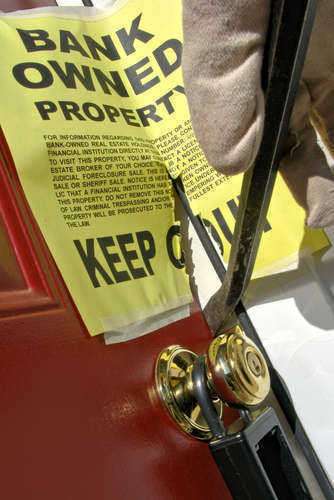
An individual can easily locate a foreclosed home for under $200,000, and can find homes for under $100,000, in desirable locations. If an individual is looking for an affordable home, he/she should look at some of the bank owned homes for sale. These homes are often in great condition, and provide individuals with the opportunity to obtain a suitable home for a low price.